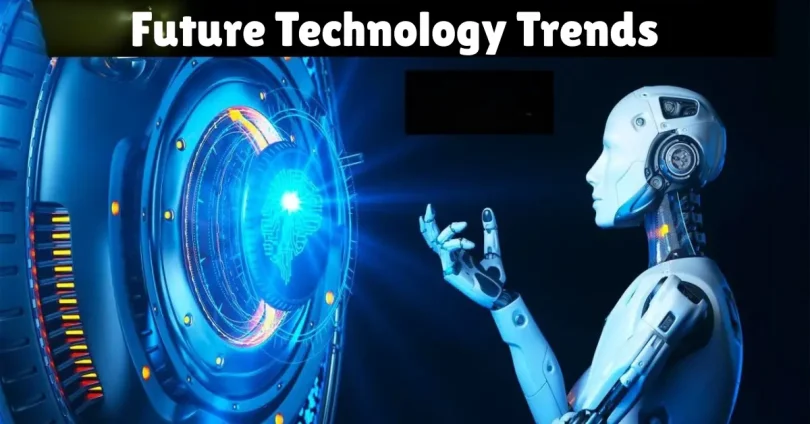

Technology is evolving at an incredible speed, and future technology trends are changing the way people live, communicate, work, travel, and even think. A few years ago, concepts like artificial intelligence, smart homes, virtual reality, and self-driving cars felt like science fiction. Today, many of these innovations are already part of daily life, and the future promises even more exciting advancements.
If you want to understand where the world is heading, learning about future technology trends is one of the smartest things you can do. These trends are not only influencing businesses and industries but also creating new career opportunities, changing education systems, improving healthcare, and transforming entertainment.
In this detailed guide, you will explore the most important future technology trends that are expected to dominate the coming years and understand how they may impact your personal and professional life.
What Are Future Technology Trends?
Future technology trends are new and emerging innovations that are expected to influence society, businesses, industries, and everyday life in the future. These technologies focus on improving efficiency, solving real-world problems, and creating smarter systems.
Technology trends often start as experimental ideas, but over time they become mainstream tools used worldwide.
Examples include:
- Artificial Intelligence (AI)
- Robotics
- Quantum Computing
- Virtual Reality (VR)
- Blockchain
- Smart Devices
- Green Technology
- Cybersecurity Innovations
These trends continue to evolve rapidly as companies invest billions into research and development.
Why Future Technology Trends Are Important
Understanding future technology trends is important because technology affects nearly every aspect of modern life.
Benefits of Following Technology Trends
Better Career Opportunities
Many future jobs will require digital and technical skills. Staying updated helps people prepare for modern careers.
Business Growth
Businesses that adopt new technologies early often gain competitive advantages.
Improved Daily Life
Technology makes life easier through automation, smart devices, and digital services.
Faster Communication
Advanced internet technologies improve global communication and collaboration.
Smarter Decision-Making
AI and data analysis help organizations make better decisions based on real-time information.
The future belongs to people who adapt to change and continuously learn new skills.
Artificial Intelligence (AI) Will Dominate the Future
Artificial Intelligence is currently one of the most powerful future technology trends in the world. AI refers to machines and software systems that can learn, analyze information, and make decisions similar to humans.
AI is already used in:
- Search engines
- Voice assistants
- Online shopping recommendations
- Self-driving cars
- Medical diagnosis systems
In the future, AI will become even more intelligent and useful.
How AI Will Transform Different Industries
Healthcare
AI can analyze medical scans, detect diseases early, and help doctors make accurate diagnoses.
Education
AI-powered tutors can create personalized learning experiences for students.
Business
Companies use AI to automate customer support, marketing, and data analysis.
Entertainment
Streaming platforms use AI to recommend movies, songs, and videos.
Finance
Banks use AI for fraud detection and financial forecasting.
AI is expected to become one of the most influential technologies of the next decade.
Machine Learning and Deep Learning
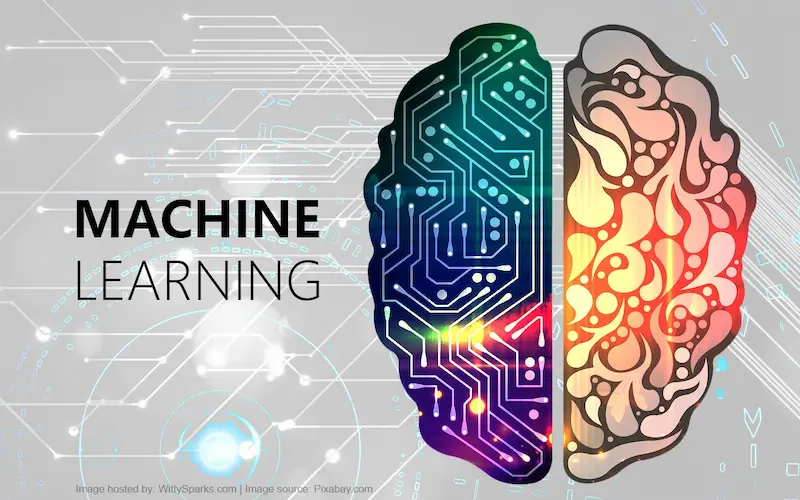
Machine Learning is a branch of AI that allows systems to improve automatically through experience and data.
Deep Learning is a more advanced version that uses neural networks inspired by the human brain.
Future Applications of Machine Learning
- Face recognition systems
- Language translation
- Smart chatbots
- Predictive healthcare
- Recommendation systems
These technologies help machines understand patterns and improve over time without constant human programming.
The Growth of Smart Homes
Smart homes are becoming increasingly popular as more devices connect to the internet.
A smart home allows people to control appliances, security systems, lights, and entertainment devices remotely using smartphones or voice assistants.
Features of Smart Homes
Smart Lighting
Lights can turn on automatically based on movement or schedules.
Smart Security Systems
Cameras, alarms, and door locks can be monitored remotely.
Smart Appliances
Refrigerators, ovens, and washing machines can operate intelligently.
Voice Assistants
Devices respond to voice commands for easier control.
Benefits of Smart Homes
- Better security
- Energy savings
- Improved convenience
- Reduced electricity costs
- Remote access to devices
Smart home technology is expected to become more affordable and common in the future.
Internet of Things (IoT)
The Internet of Things refers to physical devices connected to the internet that can communicate and exchange data.
IoT devices collect information and perform automated actions.
Common IoT Devices
- Smartwatches
- Fitness trackers
- Smart TVs
- Connected cars
- Industrial machines
Future of IoT
The number of connected devices worldwide is growing rapidly. In the future, cities, homes, and businesses will rely heavily on IoT systems for automation and monitoring.
5G and Future Internet Technology
Fast internet is essential for modern technology. 5G networks are transforming internet connectivity by offering extremely high speeds and low latency.
Advantages of 5G Technology
Faster Speeds
Downloading large files becomes much quicker.
Better Video Streaming
Higher-quality streaming with less buffering.
Improved Online Gaming
Reduced delays improve gaming performance.
Support for Smart Cities
5G can handle millions of connected devices simultaneously.
Enhanced Remote Work
Video calls and online collaboration become smoother.
Future technologies like autonomous vehicles and virtual reality depend heavily on high-speed internet connectivity.
You may also like to read this:
AI Tools For Beginners: Easy Guide To Start Using AI Today
Latest Tech Gadgets You Need To Know About in 2026
Best Future Technology Trends Changing The World in 2030
Smart Digital Devices: Complete Guide To Smart Technology
Best Free AI Tools For Writing, Design, and Productivity
Virtual Reality (VR) and Augmented Reality (AR)
Virtual Reality creates a completely digital environment, while Augmented Reality adds digital elements to the real world.
These technologies are rapidly expanding beyond gaming.
Future Uses of VR and AR
Education
Students can experience virtual classrooms and interactive learning.
Healthcare
Doctors can use VR for medical training and surgeries.
Shopping
Customers can try products virtually before buying.
Real Estate
Virtual property tours improve home buying experiences.
Entertainment
Gaming and virtual concerts become more immersive.
VR and AR technologies will continue improving as hardware becomes more advanced and affordable.
Robotics and Automation
Robots are increasingly performing tasks that once required humans.
Automation helps industries improve productivity and reduce errors.
Industries Using Robotics
Manufacturing
Robots assemble products quickly and accurately.
Healthcare
Surgical robots assist doctors during operations.
Logistics
Warehouses use robots for packaging and transportation.
Agriculture
Robots help with planting and harvesting crops.
Hospitality
Some hotels and restaurants use robots for customer service.
Advantages of Robotics
- Faster work processes
- Reduced labor costs
- Increased accuracy
- Better safety in dangerous environments
Although automation may replace some repetitive jobs, it will also create new technology-related careers.
Electric Vehicles and Autonomous Transportation
Transportation technology is changing rapidly as the world moves toward cleaner energy solutions.
Electric vehicles are becoming more popular because they reduce pollution and fuel dependency.
Future Transportation Trends
Self-Driving Cars
Vehicles powered by AI may eventually drive without human input.
Electric Buses and Trucks
Public transportation systems are adopting cleaner technologies.
Drone Deliveries
Companies are testing drones for faster deliveries.
Flying Taxi Concepts
Some companies are developing futuristic air transportation systems.
Smart Traffic Management
AI systems can reduce traffic congestion and improve road safety.
The future of transportation focuses on sustainability, efficiency, and automation.
Blockchain Technology Beyond Cryptocurrency
Blockchain technology securely stores information across multiple systems.
Although blockchain is famous for cryptocurrency, its future applications extend far beyond digital money.
Future Uses of Blockchain
Digital Identity Protection
People can secure personal information online.
Healthcare Records
Medical records can be stored safely and privately.
Supply Chain Tracking
Businesses can monitor products from manufacturing to delivery.
Online Voting Systems
Blockchain can improve transparency and security in elections.
Smart Contracts
Automated agreements can execute without middlemen.
Blockchain technology increases transparency and reduces fraud risks.
Cybersecurity Will Become Even More Important
As technology advances, cyber threats are also increasing. Cybersecurity protects digital systems, networks, and personal information from attacks.
Future Cybersecurity Trends
AI-Powered Security
AI can detect suspicious activity instantly.
Biometric Authentication
Fingerprint and facial recognition systems improve security.
Cloud Security
Businesses need stronger protection for cloud data storage.
Advanced Encryption
Sensitive information becomes harder to hack.
Zero Trust Security Models
Organizations verify every user and device before granting access.
Cybersecurity professionals will remain in high demand as digital threats continue growing.
Future Healthcare Technology
Healthcare is being transformed through advanced technology innovations.
Future Healthcare Trends
Wearable Health Devices
Smart devices can monitor heart rate, sleep, and fitness.
Telemedicine
Patients can consult doctors online from home.
AI Diagnostics
AI helps identify diseases faster and more accurately.
Robotic Surgery
Precision robots assist surgeons during complex operations.
Personalized Medicine
Treatments can be customized based on a person’s genetics.
Technology will improve healthcare accessibility, accuracy, and efficiency.
Smart Cities and Urban Innovation
Smart cities use technology to improve public services and infrastructure.
Features of Smart Cities
Smart Traffic Systems
AI reduces traffic congestion and improves transportation.
Energy Management
Cities can reduce energy waste using smart grids.
Intelligent Waste Management
Smart bins monitor waste levels automatically.
Public Safety Systems
Advanced surveillance improves city security.
Environmental Monitoring
Sensors track pollution and weather conditions.
Smart cities aim to create safer, cleaner, and more efficient urban environments.
Green Technology and Sustainability
Environmental concerns are driving the development of green technology.
Examples of Green Technology
- Solar panels
- Wind turbines
- Electric vehicles
- Smart energy systems
- Water conservation technologies
Importance of Green Technology
Reduces Pollution
Cleaner energy sources help protect the environment.
Saves Energy
Smart systems reduce electricity waste.
Supports Sustainable Living
Eco-friendly innovations improve long-term environmental health.
Future technology trends increasingly focus on sustainability and climate protection.
Quantum Computing: The Next Computing Revolution
Quantum computing uses quantum mechanics to process information far faster than traditional computers.
Although still developing, quantum computing could revolutionize industries.
Potential Uses of Quantum Computing
Drug Discovery
Scientists can analyze chemical structures faster.
Financial Modeling
Complex calculations become easier.
Climate Research
Weather predictions may become more accurate.
Cybersecurity
Advanced encryption methods could improve security.
Quantum computing may solve problems currently impossible for traditional computers.
Future Technology Trends in Education
Education systems are evolving with digital innovation.
Educational Technology Trends
Online Learning Platforms
Students can learn from anywhere globally.
AI Tutors
Personalized learning experiences improve understanding.
Virtual Classrooms
Students interact through immersive digital spaces.
Gamified Learning
Educational games increase engagement.
Cloud-Based Education
Schools store and access learning materials online.
Technology makes education more flexible and accessible.
Biotechnology and Genetic Engineering
Biotechnology combines biology and technology to improve healthcare, agriculture, and scientific research.
Future Biotechnology Trends
Gene Editing
Scientists can potentially treat genetic diseases.
Lab-Grown Food
Artificial meat production may reduce environmental impact.
Advanced Vaccines
Technology improves vaccine development speed.
Agricultural Innovation
Genetically improved crops increase food production.
Biotechnology could help solve major global health and food challenges.
Space Technology and Exploration
Space technology is advancing rapidly as private companies and governments invest in exploration.
Future Space Technology Trends
Space Tourism
Commercial space travel may become more accessible.
Mars Exploration
Scientists continue researching human missions to Mars.
Satellite Internet
Global internet coverage improves through satellite systems.
Space Mining
Future missions may collect resources from asteroids.
Space innovation could open entirely new industries and opportunities.
Future Jobs and Career Opportunities
As future technology trends continue growing, many new jobs will emerge.
High-Demand Technology Careers
- Artificial Intelligence Engineer
- Data Scientist
- Cybersecurity Specialist
- Robotics Engineer
- Cloud Computing Expert
- Software Developer
- Blockchain Developer
- Digital Marketing Specialist
Learning digital skills will become increasingly important for future success.
Challenges of Future Technology Trends
While technology offers many benefits, it also creates challenges.
Common Technology Concerns
Job Displacement
Automation may replace repetitive jobs.
Privacy Risks
Data collection raises privacy concerns.
Cybersecurity Threats
Hackers continue targeting digital systems.
Digital Addiction
Excessive technology use may affect mental health.
Ethical Issues
AI decision-making raises ethical questions.
Governments and companies must create responsible technology policies.
How to Prepare for the Future of Technology
Preparing for future technology trends does not require becoming a computer scientist. Small learning steps can make a big difference.
Ways to Stay Prepared
Learn Digital Skills
Explore coding, AI tools, and online platforms.
Follow Technology News
Stay informed about new innovations.
Take Online Courses
Learn from free or affordable educational platforms.
Improve Adaptability
Technology changes quickly, so flexibility is important.
Practice Critical Thinking
Understanding technology helps you use it wisely.
People who continue learning will adapt more easily to future technological changes.
Conclusion
The world is entering a new era of innovation where future technology trends will shape nearly every aspect of life. Artificial intelligence, robotics, virtual reality, smart cities, biotechnology, and green energy are already transforming industries and daily experiences.
Technology will continue creating opportunities, improving convenience, and solving global problems. However, it will also bring challenges that require careful management and responsible use.
The best approach is to stay curious, keep learning, and embrace innovation with an open mind. The future of technology is not something far away—it is already happening around us.
FAQs About Future Technology Trends
What are future technology trends?
Future technology trends are emerging innovations expected to shape industries, businesses, and everyday life in the coming years.
Why are future technology trends important?
They help people prepare for changing careers, business opportunities, and modern digital lifestyles.
Which technology trend is growing the fastest?
Artificial Intelligence is currently one of the fastest-growing future technology trends worldwide.
How will technology affect future jobs?
Technology will automate repetitive tasks while creating new careers in AI, cybersecurity, robotics, and software development.
What is the future of smart homes?
Smart homes will become more automated, energy-efficient, secure, and connected through IoT technology.
Will robots replace humans completely?
Robots may handle repetitive tasks, but human creativity, emotions, and complex decision-making will still remain valuable.