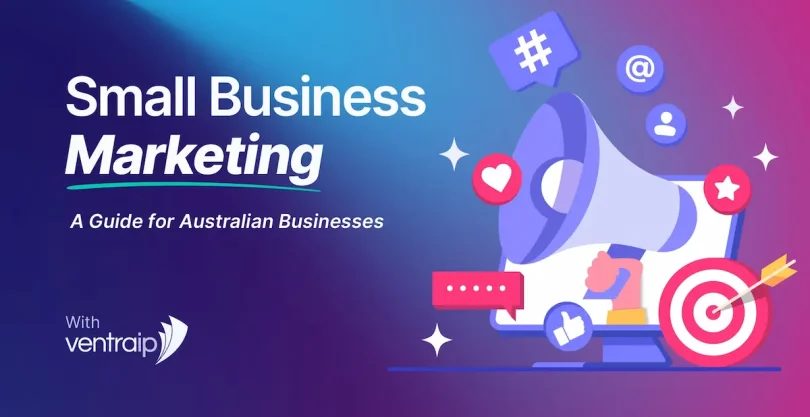

If you are trying to understand small business marketing, you’re already taking one of the most important steps toward growing your business. In simple terms, small business marketing is how you promote your products or services to the right people, at the right time, using the right strategies. It’s not just about advertising—it’s about building awareness, trust, and long-term customer relationships.
Whether you run a small shop, an online store, or a service-based business, effective marketing is what turns your effort into real sales and growth.
Let’s break everything down in a clear, practical, and easy-to-follow way.
What is Small Business Marketing?
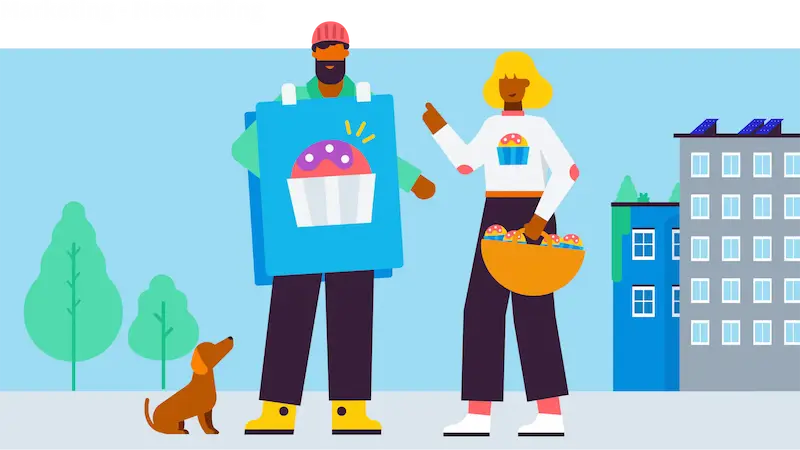
Small business marketing refers to all the activities you do to attract customers and increase sales for a small or growing business. This includes both online and offline methods.
It involves:
- Understanding your target audience
- Promoting your products or services
- Communicating your brand message
- Building trust with customers
- Encouraging repeat purchases
Unlike large companies with big budgets, small businesses must focus on smart, low-cost, and highly effective marketing strategies.
Why Small Business Marketing is Important
Marketing is not optional—it’s essential. Even if you have the best product in your area, people won’t buy it if they don’t know it exists.
Here’s why it matters so much:
1. It helps people find your business
Without marketing, your business stays invisible. Good marketing makes you discoverable online and offline.
2. It builds your brand identity
Your brand is how people see you. Marketing shapes that image through design, messaging, and customer experience.
3. It increases trust and credibility
When people see your business regularly on social media or Google, they trust it more.
4. It boosts sales and revenue
More visibility leads to more customers, which leads to more sales.
5. It gives you a competitive advantage
Even in a crowded market, good marketing helps you stand out.
Understanding Your Target Audience
Before doing any marketing, you must understand who you are selling to.
Ask yourself:
- Who needs my product or service?
- What problems are they facing?
- How old are they?
- Where do they spend time online?
- What motivates them to buy?
For example:
If you sell beauty products, your audience may be young adults interested in skincare and Instagram trends. If you sell home repair services, your audience may be homeowners in your local area.
When you know your audience, your marketing becomes much more effective.
Best Small Business Marketing Strategies (Detailed)
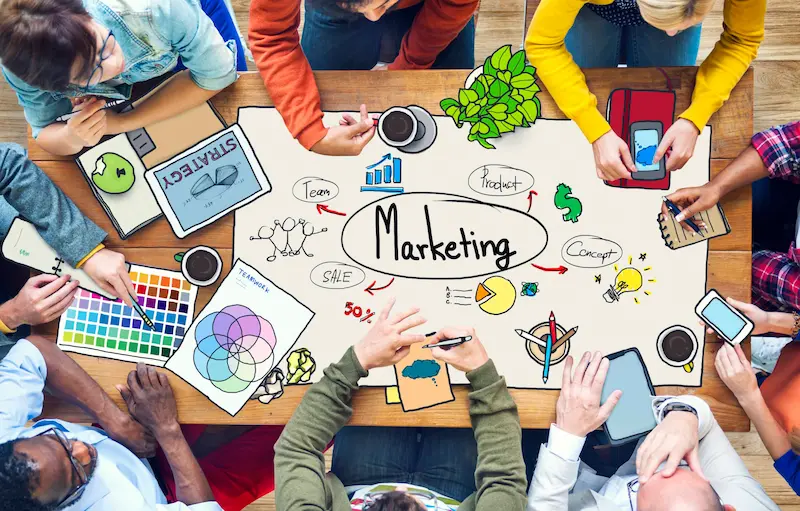
Now let’s go deeper into the most powerful marketing strategies you can actually use.
1. Social Media Marketing
Social media is one of the strongest tools for small businesses today. Platforms like Facebook, Instagram, TikTok, and even WhatsApp allow you to reach thousands of potential customers for free or at very low cost.
What you can do:
- Post product images and videos
- Share customer testimonials
- Run polls and engage with followers
- Show behind-the-scenes content
- Use trending hashtags
Why it works:
People spend hours daily on social media. If your business appears regularly, it stays in their mind.
Tip:
Don’t just sell—engage. Talk to your audience like a real person.
2. Search Engine Optimization (SEO)
SEO is about making your business appear on Google when people search for something related to your product or service.
For example:
If someone searches “best tailor near me,” and you are optimized for SEO, your business can appear in those results.
Important SEO steps:
- Use relevant keywords in your website
- Write helpful blog content
- Optimize titles and descriptions
- Improve website speed
- Make your site mobile-friendly
Why SEO is powerful:
It brings free, long-term traffic without paying for ads.
3. Local Marketing Strategies
If you have a physical store or serve a specific area, local marketing is extremely important.
Effective methods:
- Create a Google Business Profile
- Add your business on Google Maps
- Collect customer reviews
- Use local directories
- Put flyers in nearby areas
- Join community events
Example:
A small café in Karachi can attract nearby customers searching “cafes near me” if properly listed on Google.
4. Email Marketing
Email marketing helps you stay connected with customers even after they leave your website or store.
What you can send:
- Discounts and offers
- New product launches
- Seasonal promotions
- Helpful tips related to your product
Why it works:
It keeps your brand in front of people without being intrusive.
Tip:
Keep emails short, useful, and personal.
5. Content Marketing
Content marketing means sharing useful information that attracts customers.
This includes:
- Blog posts
- Videos
- Guides
- Tutorials
- Social media content
Example:
If you sell fitness products, you can post:
- Workout tips
- Diet plans
- Home exercise guides
This builds trust and makes people more likely to buy from you.
6. Paid Advertising
Paid ads help you get fast results, especially when starting out.
Popular platforms:
- Facebook Ads
- Instagram Ads
- Google Ads
How to use them wisely:
- Start with a small budget
- Target specific audiences
- Test different ads
- Focus on what brings sales
Important:
Don’t waste money on random ads—always track performance.
You may also like to read this:
How To Start Blogging: Complete Beginner’s Guide 2026
Website Setup Tutorial For Beginners | Step-By-Step Guide 2026
SEO Basics For Beginners: Learn How To Rank on Google
Easy WordPress Beginner Tips To Start Your Website Today
Online Earning Guide: Real Methods To Make Money Online Fast
7. Word of Mouth Marketing
This is one of the oldest and most powerful marketing methods.
People trust recommendations from friends and family more than ads.
How to encourage it:
- Provide excellent customer service
- Ask for reviews
- Offer referral discounts
- Deliver high-quality products
Happy customers become your best marketers.
Common Small Business Marketing Mistakes
Many businesses struggle because of simple mistakes:
- Not posting consistently
- Trying too many platforms at once
- Ignoring customer feedback
- Not tracking results
- Copying competitors blindly
- Not having a clear strategy
Avoiding these mistakes can significantly improve your results.
How to Create a Simple Marketing Plan
You don’t need a complex system. Just follow this structure:
Step 1: Define your audience
Understand who you are targeting.
Step 2: Choose your channels
Pick 2–3 platforms (for example: Instagram + Google + Email).
Step 3: Set goals
Example: 100 new customers in 3 months.
Step 4: Create a content schedule
Plan weekly posts or campaigns.
Step 5: Track performance
Check what works and improve it.
Final Thoughts
Small business marketing is not about doing everything—it’s about doing the right things consistently. You don’t need a big budget to succeed; you need smart strategies, patience, and consistency.
If you focus on your audience, deliver value, and keep improving your approach, your business will naturally grow over time.
Marketing is not a one-time task—it’s an ongoing process that builds the future of your business.
FAQs on Small Business Marketing
1. What is small business marketing in simple words?
Small business marketing is the process of promoting your products or services to attract customers and increase sales using affordable and effective strategies like social media, SEO, ads, and word of mouth.
2. Why is small business marketing important?
It is important because it helps people discover your business, builds trust, increases brand awareness, and ultimately brings more sales and long-term customers.
3. What is the best marketing strategy for small businesses?
There is no single “best” strategy, but a combination works best. Social media marketing, SEO, local marketing, and word of mouth are among the most effective for small businesses.
4. Can I do small business marketing with no budget?
Yes, you can. You can use free methods like social media posting, SEO, Google Business Profile, content creation, and word of mouth marketing without spending money.
5. How can social media help small business marketing?
Social media helps you reach a large audience, promote products, engage with customers, and build brand awareness at a very low cost.